Long-running AI work creates a different kind of risk than a one-off prompt. If a model is handling a task over hours or days, the issue is no longer just whether the first answer looks right. The harder question is whether the work stays aligned after the task changes shape.
OpenAI’s GPT-6 Astra is a signal in that direction. The company says it is built for professional work and long-horizon tasks, and its guidance includes a way to send additional instructions while the model is still working. In plain English: a team can steer the work before the task finishes, instead of waiting for a final draft, plan, or action to come back wrong.
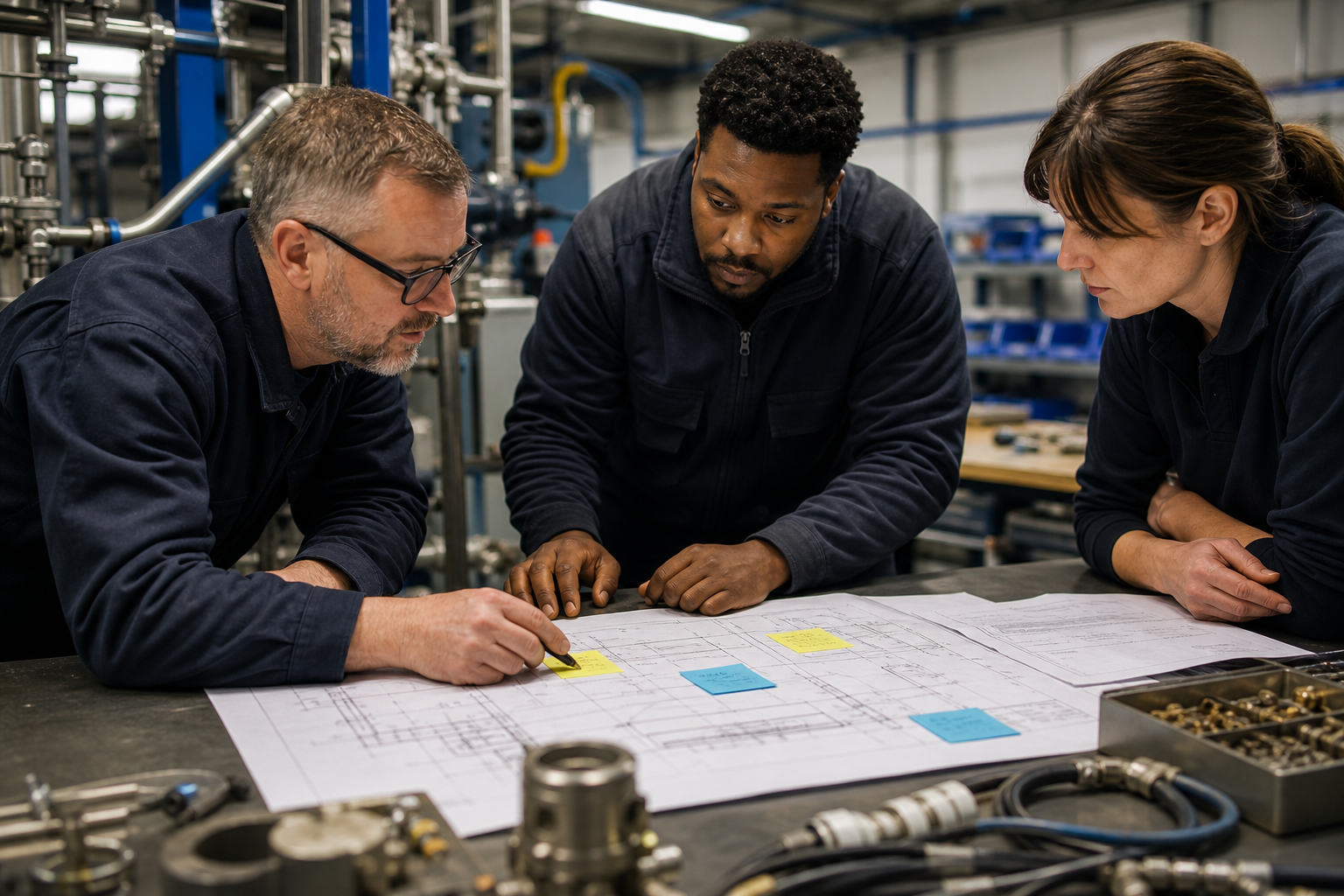
That changes how I would place human review. For routine drafting, review at the end may be enough. For longer work with more moving parts, review should happen at the handoff points: when the model starts a new section, reaches an exception, or is about to take a higher-impact action.
A useful rule is simple: the longer the task can run without supervision, the narrower the decision you should delegate. Let the model prepare, organize, and continue. Keep a person responsible for the moments where context changes or risk increases.
For operations teams, that usually means building interruption points into the workflow, not treating review as a single final checkpoint. That is the difference between using AI as a helper and using it as an unattended process.