Long-running AI work fails when teams keep reviewing it like a single prompt.
GPT‑6 Astra is a useful signal because OpenAI is framing the model around extended reasoning, coding, computer use, research, and document creation, while also saying it met a Critical cybersecurity capability threshold. In plain English: the model can stay engaged across more steps, but that does not mean every step should be automated all the way through.
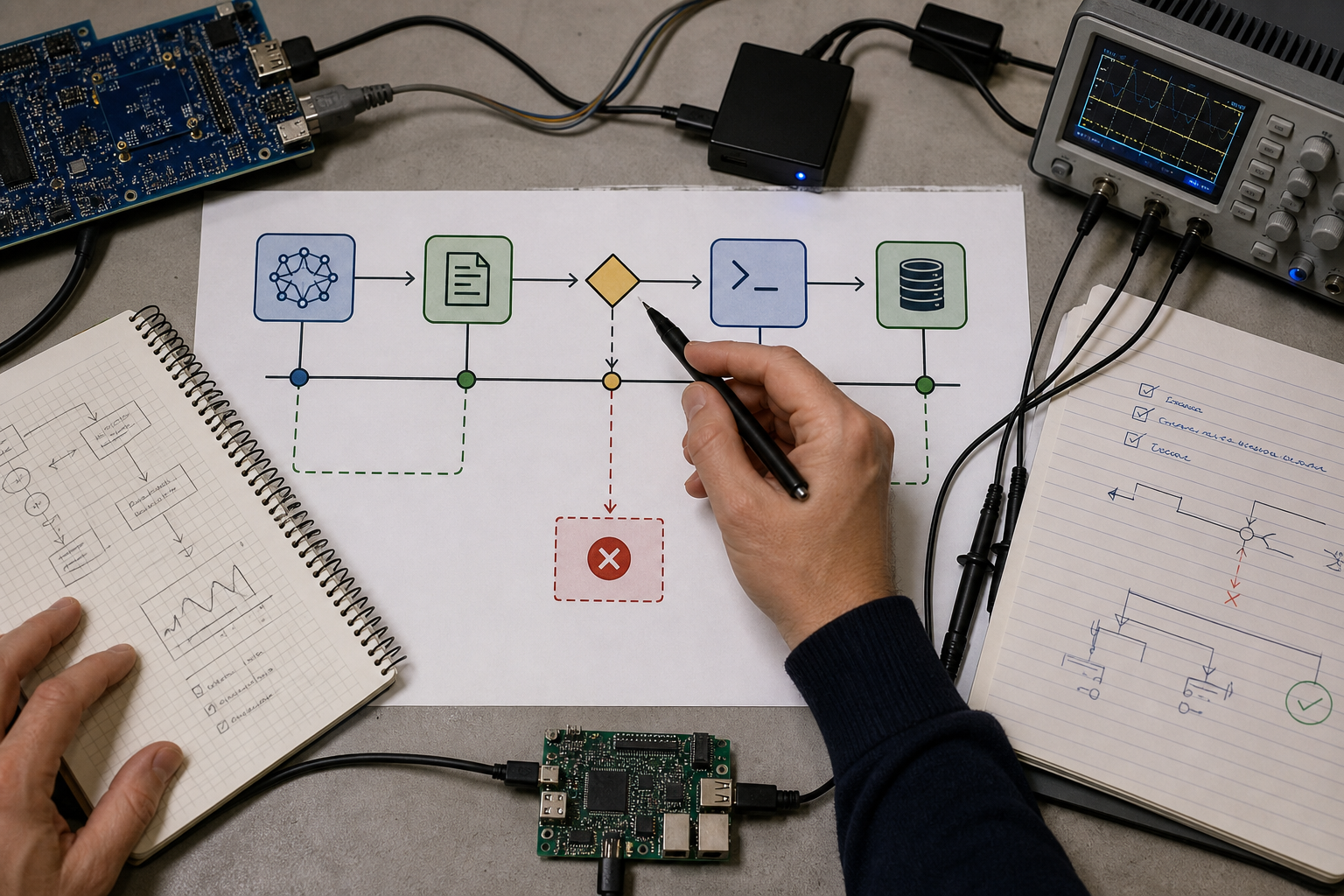
For operations teams, the design question becomes where review belongs in a workflow that may continue after the first draft is written. A support case is a good example. Astra might summarize the history, pull together a response, and draft the next action. But if that action affects billing, access, or an external commitment, the workflow still needs a human checkpoint before release.
That suggests a better control pattern: let the model prepare, let software enforce the rules, and keep people on the decisions that change risk. The mistake is assuming a longer context window or better reasoning removes the need for process design. It usually increases the need for it.
If your team is considering an AI-assisted workflow, start by asking which steps produce draft work, which steps make the decision, and which steps should remain blocked until review. That boundary is the implementation plan.